







Search Results for: 90 Candied Orange
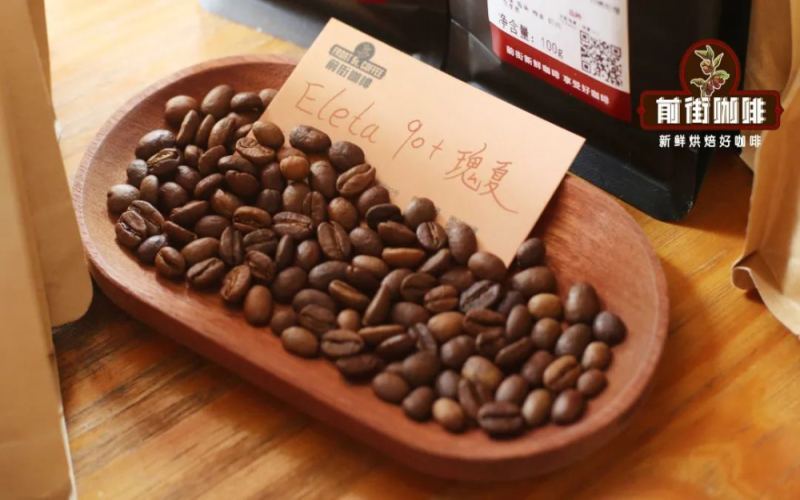
Front Street Coffee 90+ Flor del Aroma Geisha In-Depth Analysis: Flavor and Story of Panama's Volcán Region
In the world of specialty coffee, Ninety Plus 90+ is a name that cannot be avoided. It is not a synonym for cupping scores, but rather the collective name of a company and its coffee bean series. Since the Panama Emerald Estate Geisha rose to fame at the BOP in 2004, Geisha has swept through major competitions, captivating coffee lovers around the world. Founder Joseph Brodsky was one of those deeply drawn to Geisha. This article will guide you through the origins of the 90+ brand, the establishment of Ninety Plus Gesha Estate, and the micro-lot Geisha brought to you by Front Street Coffee—Front Street Eleta Floral Language. This medium-roast bean is full of layers from dry aroma to finish, with candied pineapple, bergamot, white pomelo, sweet orange, and fermented wine notes interwoven—worth savoring carefully. [more…]
A Complete Analysis of the 90+ Candied Orange Coffee Bean Name Origin, Sidamo Region Flavor Characteristics, and Pour-Over Parameters
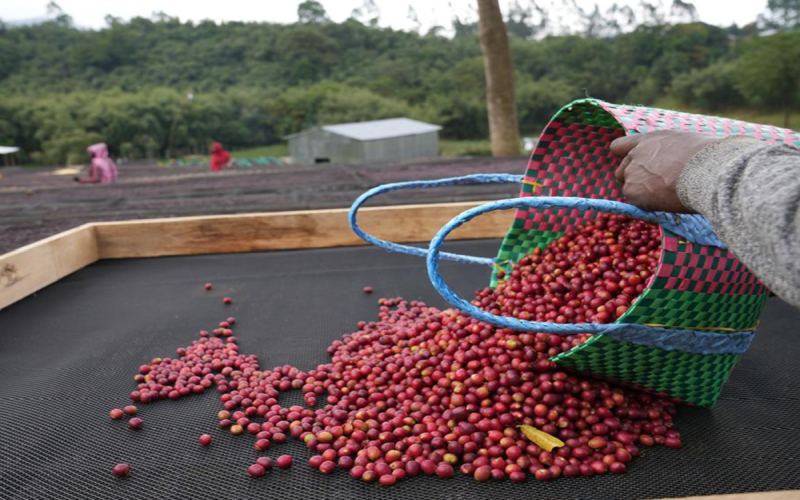
90+ (Ninety Plus Coffee) is a well-known American specialty coffee supplier. Its Drima Zede Sidamo coffee beans, with their alluring notes of nectarine, mango, and cream, have become a hot product that many cafés compete to put on their shelves. Front Street Coffee has carried this bean for years and knows its characteristics inside and out. This article will walk you through the founding background and philosophy of the 90+ brand, the meaning of the name Drima Zede in the local dialect, the terroir conditions of the Sidamo region, the details of the raised-bed sun-drying process, and the roasting curves, cupping data, and V60 brewing recipes that Front Street baristas have summarized through hands-on practice. Whether you want to understand the origins of this bean in depth or hope to find a reliable set of brewing parameters, you'll find the answers in this article. [more…]
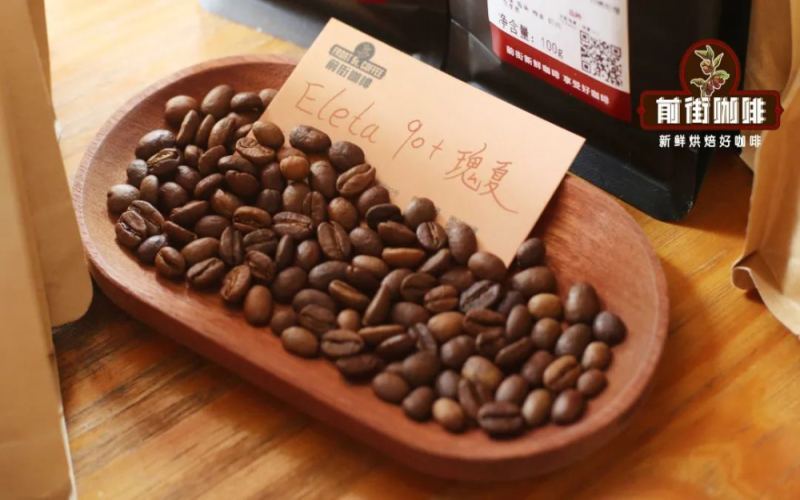
Front Street Selection: Panama 90+ Geisha Estate Eleta Coffee Beans—Rich Layers of Tropical Fruit Flavors, Worth Savoring
Front Street Coffee is bringing you a micro-lot coffee bean from the 90+ Geisha Estate Eleta, sourced from Panama's Volcán region. This bean uses the 90+ processing method, is medium-roasted, grown at an altitude of 1,400 to 1,800 meters, and is produced by the 90+ company. In terms of flavor, it presents bergamot, sweet orange, ripe grapes, fermented notes, and a variety of tropical fruit aromas. This article will provide coffee lovers with a complete and detailed introduction, from the background of the 90+ brand and the founding history of the Geisha Estate to the specific flavor expression of this Eleta Geisha, helping everyone understand the unique charm and tasting points of this bean. [more…]

Recommendations for Coffee Beans with Strong Tropical Fruit Flavor and Sweetness | Is the Panama 90+ Coffee Estate Eleta Coffee Bean a Geisha Coffee? What Are the Flavor Characteristics of 90+ Eleta Coffee?
Tropical Fruit Flavor Coffee Recommendation — Front Street Coffee Panama 90+ Geisha Estate Eleta Coffee Beans Region: Volcan Altitude: 1400~1800m Processing Method: 90+ Processing Method Variety: Geisha Producer: 90+ Estate Flavor: Bergamot, Sweet Orange, Ripe Grape, Fermented Notes, Various Tropical Fruits [more…]
A Complete Guide to African Coffee Origins: Flavors and Signature Beans from Ethiopia, Kenya, and Beyond
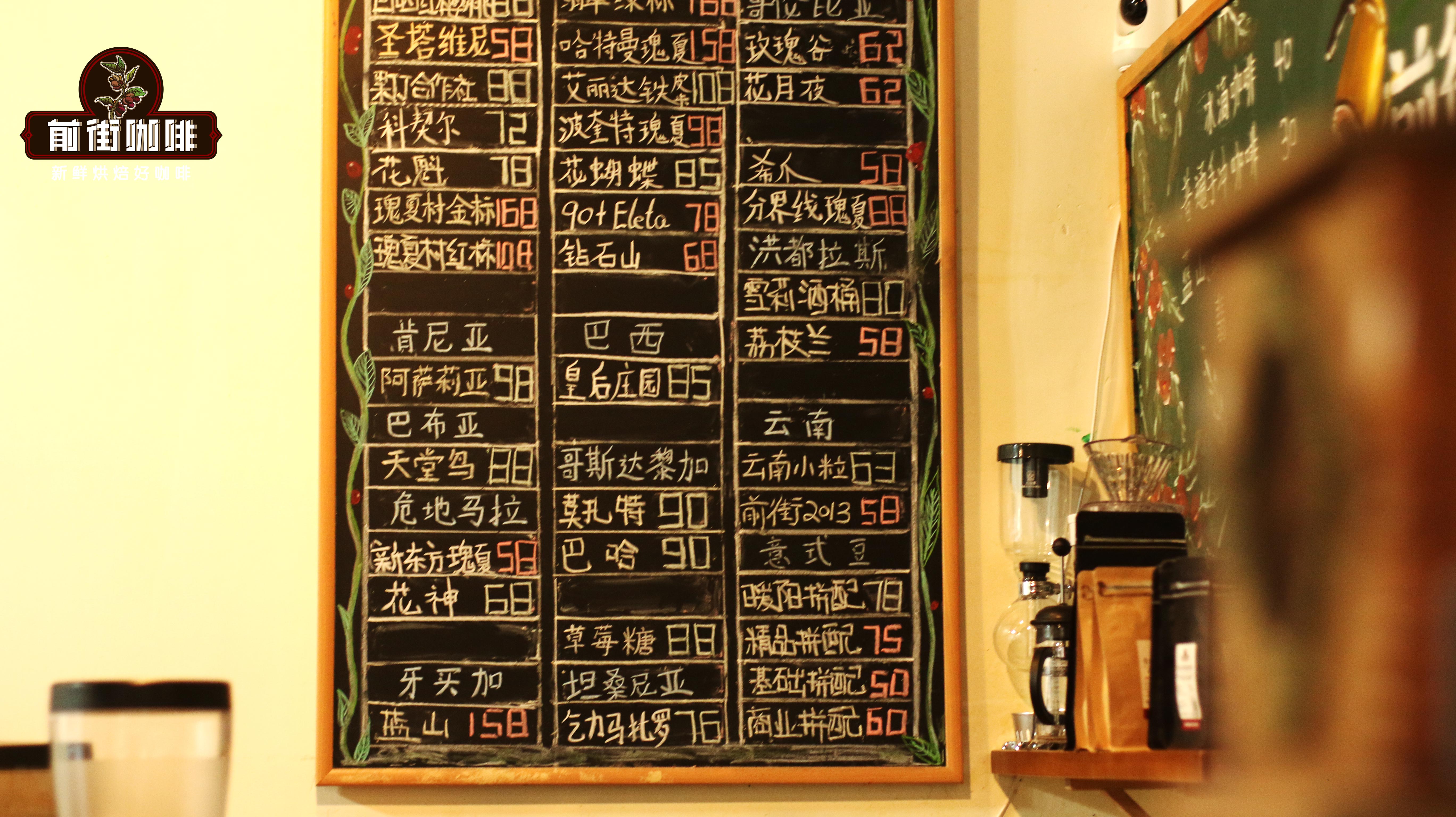
Africa, as the continent where coffee originated, has given rise to coffee-producing regions with distinctly striking styles, among which Ethiopia and Kenya stand out in particular. This article systematically reviews the regional characteristics, variety systems, and processing methods of Africa's major coffee-producing countries—Ethiopia, Burundi, Kenya, Rwanda, and Tanzania—and introduces one by one the representative beans from each country currently sold by Front Street Coffee, covering popular lots such as Yirgacheffe, Sidamo, Gesha Village, and Kenya Little Tomato. Whether you prefer bright fruity acidity or rich fermented aromas, you can find your ideal choice on this African coffee map. [more…]
2022 China Coffee Bean Price Guide and Buying Guide: What Beans to Use for Opening a Coffee Shop and How to Calculate the Cost per Jin
For friends who want to open a coffee shop or are currently running a café, one of the most pressing questions is: how much does coffee beans cost per catty, and where can you buy them with the best value for money? This article compiles the latest 2022 quotes and purchasing insights from China's coffee bean market, covering estate-level coffee beans from major producing regions such as Ethiopia, Indonesia, Jamaica, Panama, Colombia, and Yunnan, the price ranges from half a pound to one pound, and how different roast levels and processing methods affect flavor and cost. It also specifically retains product information and recommendations from Front Street Coffee, helping you make clearer judgments when selecting beans for your shop. [more…]

Ethiopia Gesha Village Golden Label Geisha: Oma Block Natural Flavor and Cupping Performance
When Geisha is mentioned, most people first think of Panama, but the roots of this legendary variety actually lie in Ethiopia. Front Street Coffee recently tested a Gold Label lot from Gesha Village, produced on the Oma block, of the Geisha 1931 variety, using a refined natural process. Gesha Village was founded around 2009 by Adam Overton and Rachel Samuel, who established the farm after finding wild Geisha in the Gori Gesha forest, and it is one of the rare large estates that grows only the Geisha variety. This article will present a complete picture of this African Geisha's performance and flavor profile, from the estate's history, variety classification, and the flavors of its eight blocks, to the Gold Label grade, natural process, roasting curve, and cupping and brewing. [more…]
Which coffee beans pair well with the AeroPress? A full breakdown from the brewer's mechanics to Front Street Coffee's bean lineup and practical parameters
The AeroPress combines immersion, paper filtration, and pressure extraction into one device. It has a low barrier to entry and produces a clean cup, making it a very friendly brewing tool for both home and travel. This article first outlines the structure of the AeroPress and its advantages, then, taking into account its relatively fast extraction pace, suggests directions for suitable coffee beans, including Front Street Strawberry Candy, Front Street Brazil Queen's Estate, and Front Street PWN Golden Mandheling. It then uses the sweetness-forward Front Street Costa Rica Mozart as an example to give a complete demonstration of the inverted AeroPress method, including dose, grind, coffee-to-water ratio, water temperature, and a six-step operating process, to help you reliably reproduce a rich coffee interwoven with floral notes, berries, and chocolate. [more…]
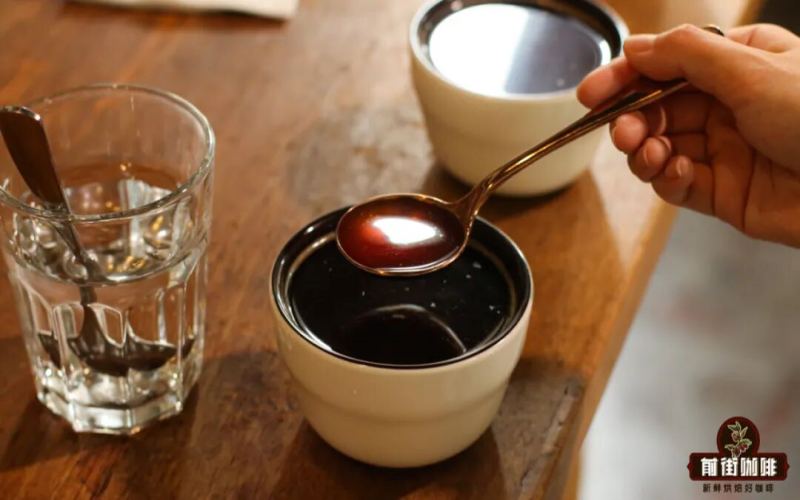
Coffee Bean Processing Methods | What Is the Simon Special / Bag Fermentation Coffee Processing Method? What Characteristics Do Coffee Beans Treated with the Simon Special Process Have?
Whether sun-dried or washed, coffee processing originally existed simply to dry the beans so they could be stored conveniently. But once people discovered that different processing methods give coffee different flavor variations, more and more processing methods emerged to serve flavor. For example, now [more…]
90+ Danqimeng Coffee Flavor Analysis: Danqimeng Brand Recommendations and Sun-Dried Processing Features
Danch Meng is an Ethiopian green bean jointly launched by Levelup, a sub-brand of the 90+ company, and Bodhi Leaf, released in 2013, and its name means "good journey" in the local language. This bean comes from smallholder farms in the Gelena Abaya Dumeso area of Yirgacheffe, and thanks to the 90+ natural processing technique, it presents rich flavors of cocoa, black raspberry, plum, floral notes, blueberry, and dark chocolate. Front Street Coffee has also launched a 90+ Danch Meng product, and this article will provide a comprehensive interpretation of this distinctive Yirgacheffe coffee from aspects including the origin of its name, producing area information, processing method, flavor description, and brand background. [more…]

AeroPress Pros and Cons | Where Did the AeroPress Come From? What Are the Characteristics of AeroPress Coffee? What Is the Coffee-to-Water Ratio for Brewing with an AeroPress?
Unlike pour-over, the AeroPress uses immersion combined with pressure for extraction. It can brew strong coffee, is easy to clean, and is relatively simple to operate. Where did the AeroPress come from? In 2005, Alan Adler, who was an engineer, physicist, and lecturer at Stanford University, found that he really had no patience to use [more…]

The Complete Guide to AeroPress Coffee: Extraction Principles, Advantages, Coffee-to-Water Ratio Parameters, and Brewing Steps Explained
The AeroPress is a coffee brewing device that combines immersion and pressure, offering simple operation and a clean cup—highly favored by coffee enthusiasts. Starting from the AeroPress's origins and construction, this article will outline its six major advantages and limitations, explain key parameters such as water temperature, grind size, and coffee-to-water ratio in detail, and finally use the inverted method to brew Front Street Coffee Costa Rica Mozart coffee beans as an example, presenting the complete steps and flavor performance to help you easily make a cup of pure, flavorful coffee at home. [more…]
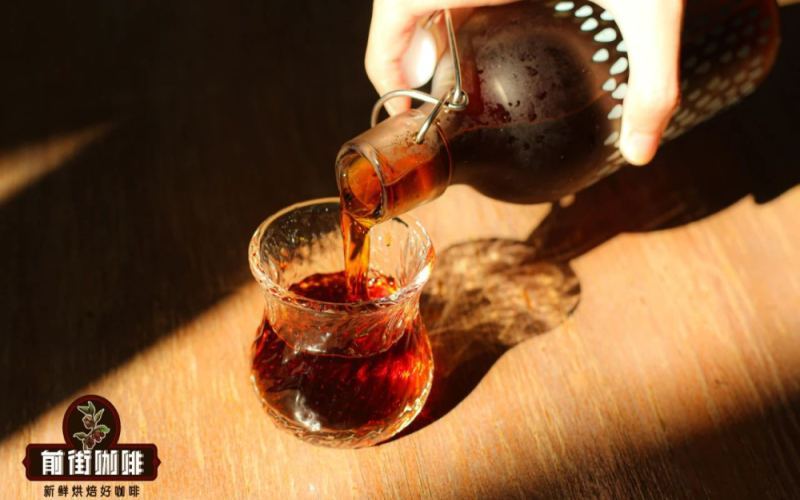
Exploring Ethiopia Sidamo: The Flavor Code and Full Brewing Analysis of 90+ Candle Light Coffee Beans
Ethiopia, as the genetic treasure trove of Arabica coffee, has given rise to countless stunning flavors. And the American brand Ninety Plus Coffee (90+), deeply captivated by this land, created a unique coffee called "Candlelight Mango." Front Street Coffee will take you on an in-depth exploration of this 90+ Candlelight Mango from the Sidamo region—what exactly is its appeal? From the brand story to the terroir of the region, from the processing method to the roasting curve, and then to specific brewing parameters, this article will provide a complete analysis of this specialty coffee known for its tropical fruit profile, so that you not only get to know it, but can also personally brew a satisfying cup of Candlelight Mango. [more…]
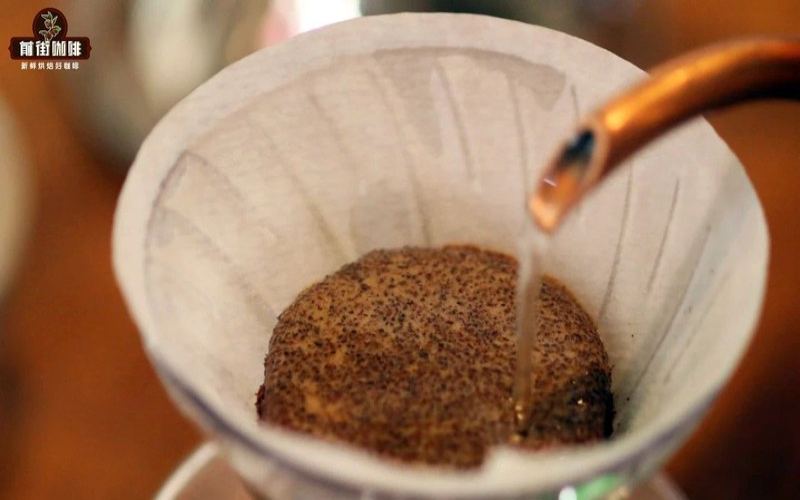
The Flavor Window and Brewing Rhythm of Medium-Roast Coffee Beans: From Degassing to Opening and Storage
Freshly roasted coffee beans are rich in carbon dioxide internally. Under the heat of a medium roast, a loose, porous structure forms, and these gases are gradually released over the following days. If you grind and brew the beans immediately after getting them, the vigorous bubbling of gas will hinder full contact between the water and the coffee grounds, leading to uneven extraction. [more…]

A Complete Guide to Anaerobic Coffee Processing: Key Differences from Traditional Natural and Washed Methods and Flavor Expression
Anaerobic coffee has been appearing on coffee bean lists frequently in recent years. Although many people have tried it, they only have a vague understanding of its specific process, and some even develop an aversion to it due to unfamiliarity. In fact, anaerobic processing is not as complicated as imagined. In most cases, it simply adds an extra anaerobic fermentation step before traditional natural or washed processing. The depth of fermentation is precisely the key that determines the direction of coffee flavor. From the perspective of Front Street, this article sorts out the basic principles of anaerobic processing, common methods, and their connection with traditional processing. Combined with three specific beans, it helps readers understand the flavor differences brought by different anaerobic treatments, so they can find the cup that suits their taste. [more…]
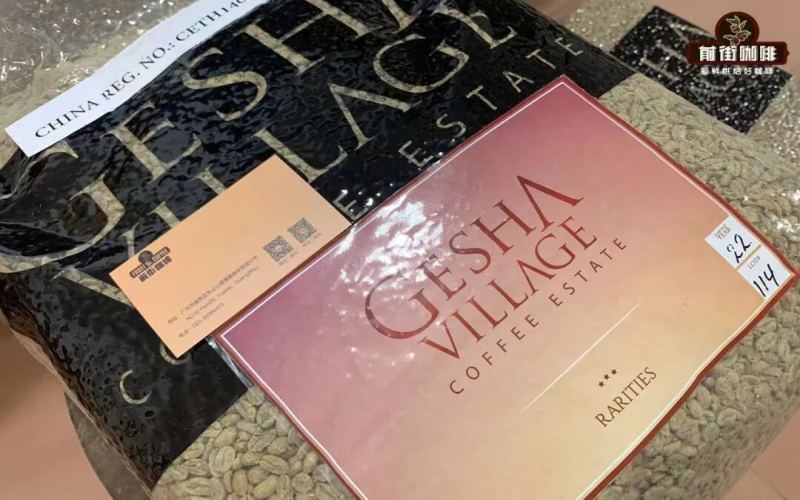
Ethiopian Geisha Coffee | What is the origin of Gesha Village? How does Gesha Village grade Geisha coffee? What are the characteristics of different grades of Geisha?
In the past, when some friends who wanted to taste Geisha coffee came to Front Street Coffee and ordered Geisha, the baristas at Front Street would carefully ask, "Do you mean Ethiopian Geisha or Panamanian Geisha?" Everyone would be confused about the difference between these two Geishas. Nowadays, the name of Panamanian Geisha [more…]
Exploring 90+ Candlelight: An Analysis of the Top-Tier Flavor and Processing Craft of Ethiopian Natural Sidamo
90+ Drima Zede is a top-tier natural coffee crafted by Ninety Plus Coffee in Ethiopia's Sidama region, with a name that means "the best way" in the local dialect. It blends complex flavors of florals, nectarine, tropical fruit, and creamy [more…]

Ethiopian Gesha Village Coffee Flavor Analysis: From Variety Traceability to Cupping Performance
When people talk about Geisha, most think of Panama, but rarely mention its birthplace—Ethiopia. This article begins with the history of Geisha's spread, tracing how this variety journeyed from African forests to the world stage, and focuses on Gesha Village Coffee Estate in the Bench Maji region. It covers the estate's founding background, the microclimates and flavor differences of its eight farms, the genetic characteristics of three Geisha varieties, and the estate's strict internal grading system. Brewing parameters from Front Street Coffee are also included, offering a complete reference for coffee enthusiasts who want to deepen their understanding of Ethiopian Geisha. [more…]
Ethiopian Gesha Village Coffee Flavor Analysis: A Complete Overview of Variety Origins, Production Areas and Plots, and the Grading System
When people talk about Geisha, most think first of Panama. However, the roots of this legendary variety lie in Ethiopia. Front Street Coffee takes you through the history of Geisha's spread, from the discovery of the Geisha forest in 1931 to the establishment of the Gesha Village Estate in the Bench Maji region. This article will provide a detailed analysis of the three coffee varieties at Gesha Village—Gori Gesha, Gesha 1931, and Illubabor Forest 1974—and introduce the terroir characteristics and coffee flavors of the estate's eight farms one by one. In addition, Gesha Village's strict grading system of Auction, Gold, Red, Green, and Chaka lots will also be presented, helping coffee enthusiasts gain a comprehensive understanding of the unique charm of Ethiopian Geisha. [more…]
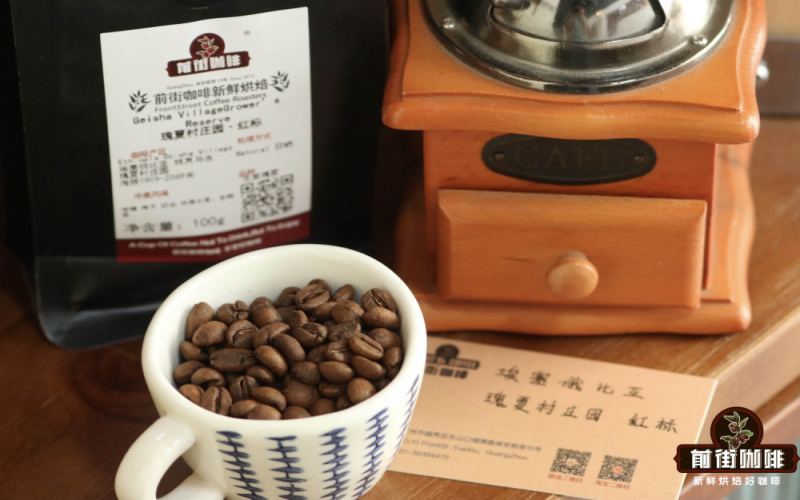
Exploring Ethiopia's Gesha Village Estate: From Plot Terroir to Gold Label Grading and Brewing Guide
Located in the Bench Maji region of Ethiopia, Gesha Village Coffee Estate has in recent years become a name impossible to overlook in the specialty coffee world. The Ethiopian Gesha coffees of various grades produced by this estate appear frequently in world-class coffee competitions, bringing this coffee kingdom of Ethiopia back into the spotlight. From the entrepreneurial story of Adam and Rachel, to the variety and flavor differences among the eight blocks, and to the strict grading systems such as Gold Label and Red Label, Gesha Village interprets its pursuit of quality with近乎苛刻 standards. This article will also present the cupping performance and brewing parameters of Front Street Coffee's new-season Gold Label Gesha for coffee enthusiasts' reference. [more…]